
Why Laptops Are Essential in Modern Life
Flexibility Across Work and Personal Use
Laptops offer unmatched flexibility. They support remote work, online learning, and digital entertainment. This makes them vital for daily life.
Professionals use laptops to attend meetings. Video calls happen from home or cafes. Productivity stays high without office space.
Students rely on them for research and assignments. E-books, notes, and lectures are all digital now. A laptop keeps everything in one place.
Freelancers manage clients and invoices. Designers edit visuals. Writers draft content. Coders build software. All these tasks run smoothly on modern laptops.
Beyond work, users stream movies and music. Gaming has also moved to portable devices. High-performance models handle complex titles.
Travelers benefit greatly. Laptops fit in backpacks. Airports, hotels, and trains become mobile offices.
Even retirees use them to stay connected. Email, social media, and video chats keep families close. Learning new skills becomes possible at any age.
The ability to switch between roles is key. One moment it’s a work tool. The next, it plays a movie or connects with friends.
Battery power adds freedom. You don’t need to stay near an outlet. Mobility defines the laptop experience.
Wi-Fi access expands reach. Public hotspots allow quick check-ins. Libraries, parks, and coffee shops turn into work zones.
Overall, laptops adapt to your lifestyle. They grow with your needs. No other device offers this level of versatility.
Whether you’re earning, studying, or relaxing, laptops make it easier. They blend function and convenience seamlessly.
Portability and Space-Saving Advantages
One major reason people choose laptops is portability. Unlike desktops, they take up little space. You can carry them anywhere.
They weigh as little as 2 pounds. Lightweight models fit easily into bags. Commuting feels less burdensome.
Small size helps in tight living spaces. Apartments and dorm rooms lack room for large setups. Laptops solve that problem.
You can use them on couches, beds, or kitchen tables. No dedicated desk is required. Comfort increases with flexibility.
Also, setup is instant. Open the lid and start working. No cables, monitors, or extra keyboards needed.
Shutting down takes seconds. Close the lid and go. Ready for the next location immediately.
For students, this means moving between classes fast. No waiting to boot up. Lessons begin right away.
Business travelers appreciate the speed. Boarding planes or entering meetings becomes smoother. Time is saved.
Emergency repairs are simpler too. If something fails, replacing a laptop is faster than rebuilding a full system.
Storage options help keep things light. Cloud services store files online. USB drives hold backups. Less physical clutter remains.
Even accessories are compact. Wireless mice and foldable stands add function without bulk.
Portability also supports safety. In case of fire or evacuation, you grab your laptop first. Important data stays protected.
In short, laptops reduce physical and mental load. They simplify logistics. Life becomes more manageable.
With all these benefits, it’s clear why laptops dominate today’s tech world. They meet modern demands perfectly.
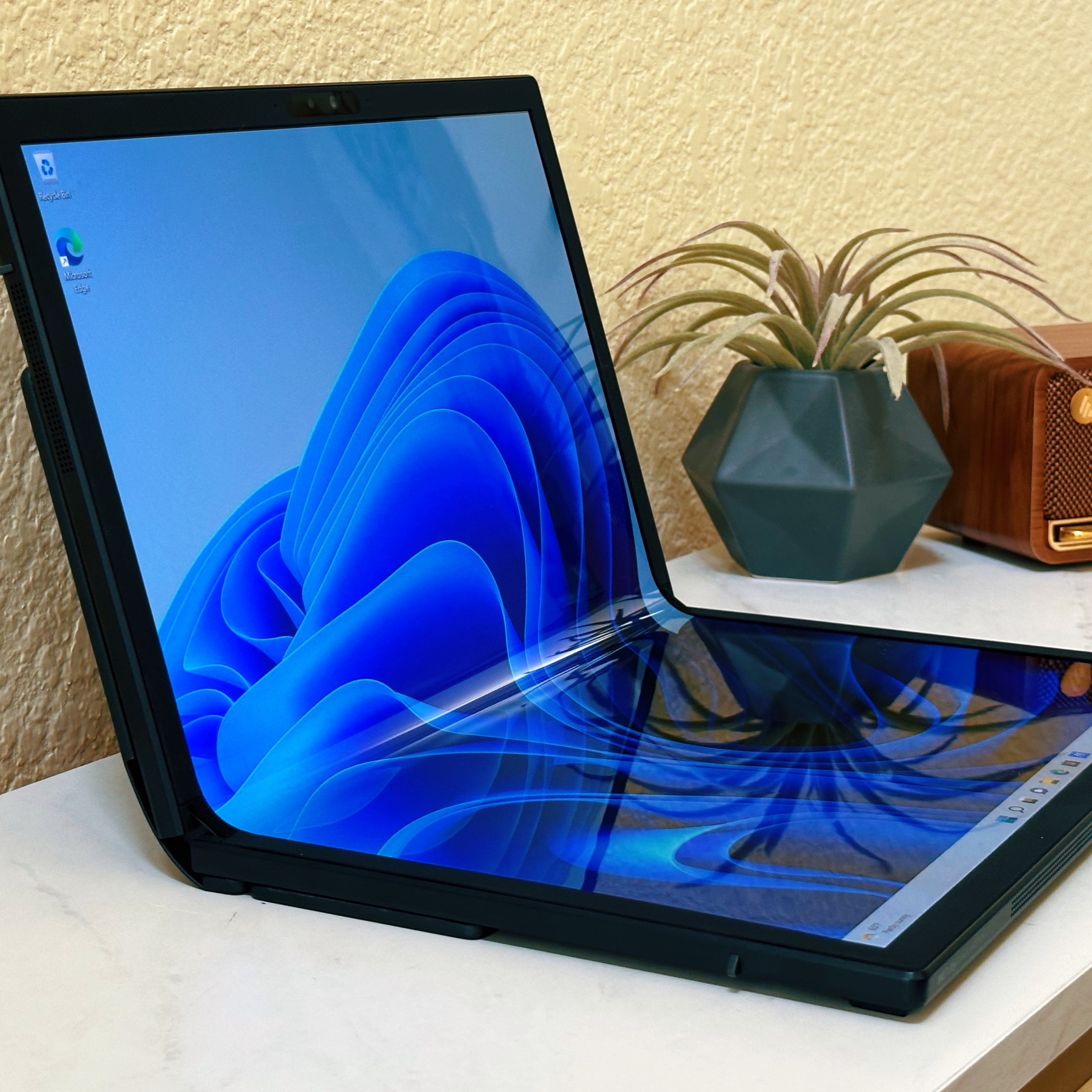 Different Types
Ultrabooks and Lightweight Models
Ultrabooks are designed for speed and mobility. They focus on slim design and long battery life. These traits attract frequent travelers and students.
Their bodies are thin and light. Many weigh under 3 pounds. Carrying them all day causes no strain.
Despite small size, performance remains strong. Fast processors handle everyday tasks. Web browsing, word processing, and video calls run smoothly.
Solid-state drives ensure quick startup. Boot times drop to seconds. Apps open instantly. Workflow never stalls.
Battery life often exceeds 10 hours. Some models last 14 hours or more. You can work a full day without charging.
Screen quality is excellent. Bright displays show sharp text. Colors look natural. Outdoor visibility improves.
However, fewer ports exist. Many rely on USB-C only. Adapters may be needed for older devices.
Cooling systems are quiet. Fans do not disrupt meetings or study sessions. Noise levels stay low.
Build quality is usually premium. Aluminum cases resist damage. Durability matches professional standards.
They cost more than average models. But their value lies in efficiency and reliability.
These laptops suit writers, consultants, and business owners. Anyone who values elegance and performance will appreciate them.
They are not ideal for heavy gaming or video editing. Thermal limits affect sustained loads.
Still, for most users, ultrabooks cover all essential needs. Simplicity meets power.
If you want a sleek, powerful machine for daily use, consider an ultrabook. It delivers where it matters.
Gaming and Performance Machines
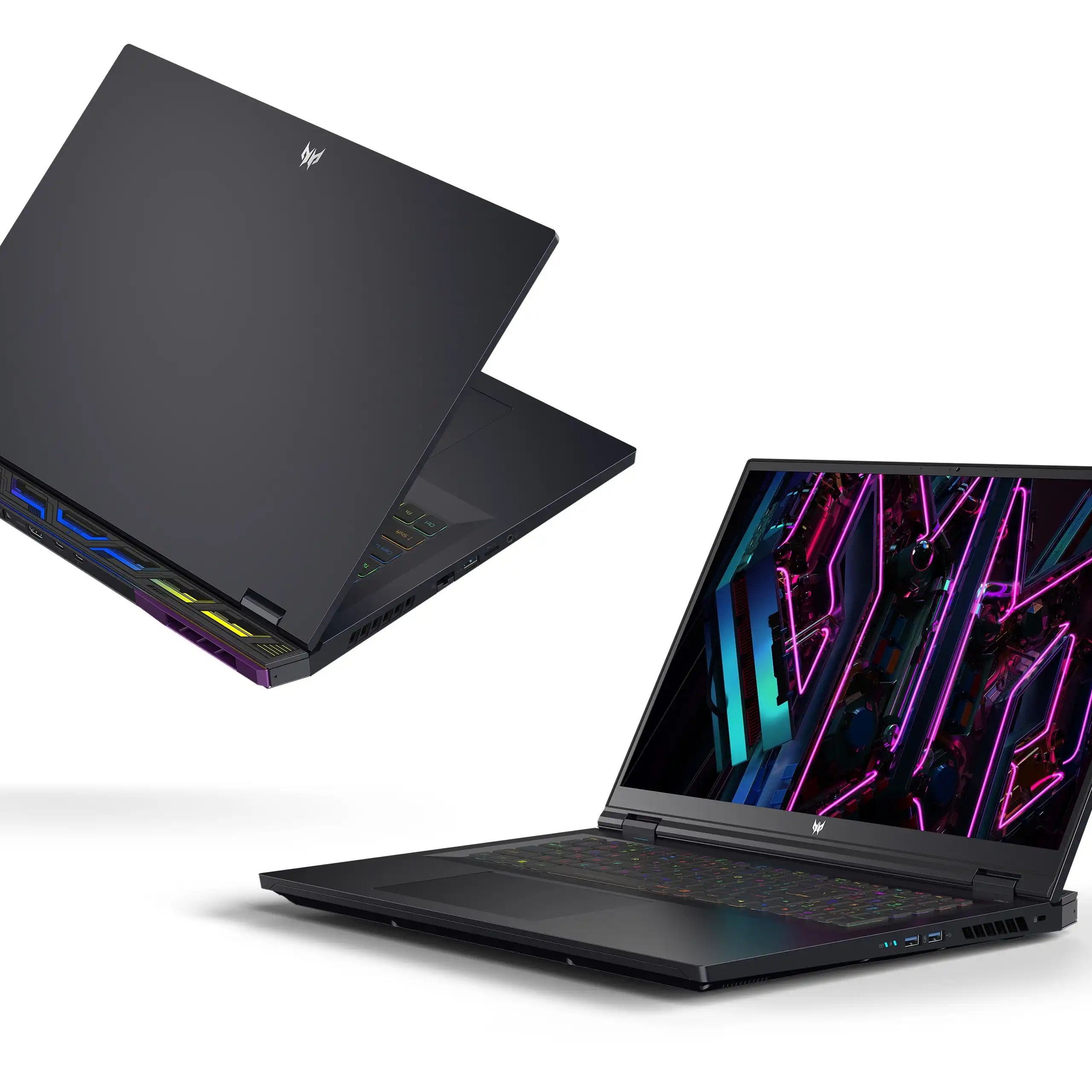
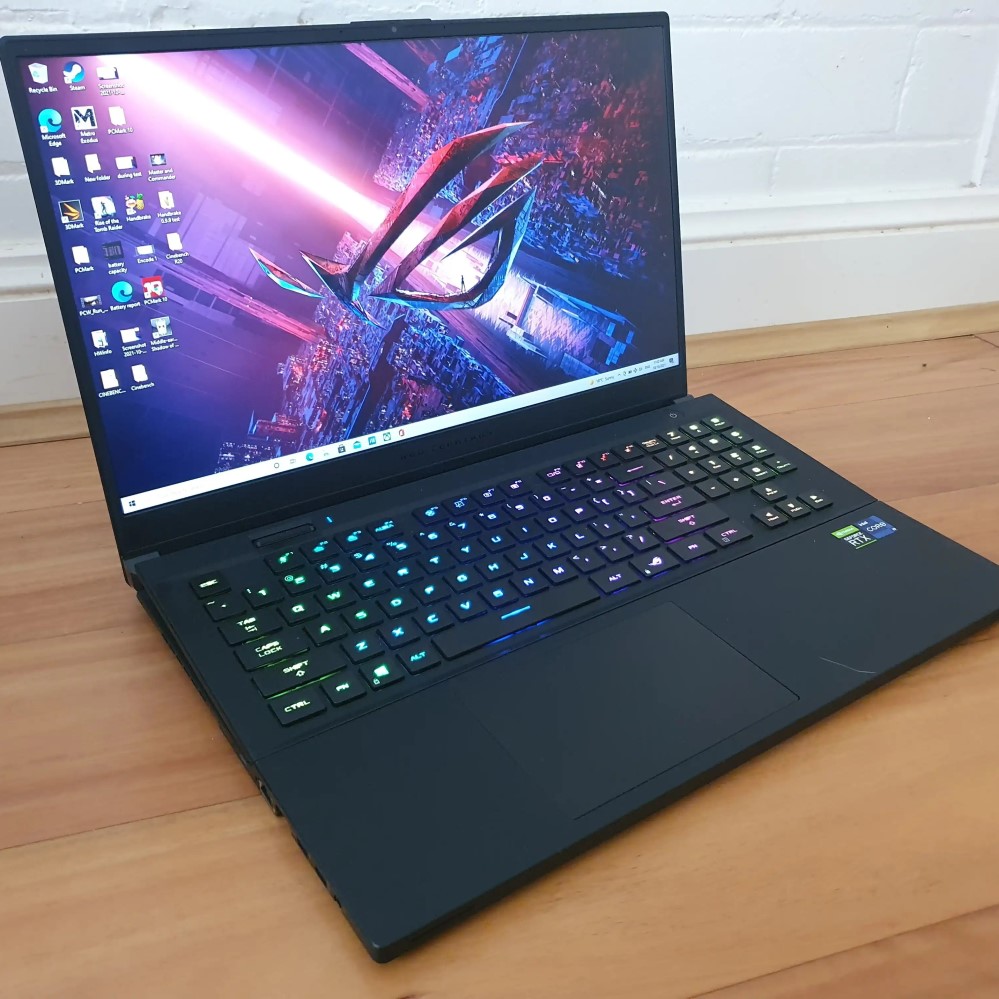
Gaming laptops serve users who demand raw power. They feature high-end CPUs and advanced graphics cards. Speed is their top priority.
These models run AAA games at high settings. Frame rates stay smooth. Visuals look stunning.
But they do more than play games. Video editors, animators, and engineers use them too. Rendering large files happens faster.
Cooling systems are larger. Multiple fans and heat pipes prevent overheating. Performance holds under pressure.
Displays have high refresh rates. 144Hz or 240Hz screens make motion fluid. Competitive gamers gain an edge.
Keyboards often include RGB lighting. Backlit keys help in dark rooms. Custom colors add personal style.
Sound systems are loud and clear. Built-in speakers fill rooms. Headphones still offer better detail.
Size and weight increase. Most gaming laptops exceed 5 pounds. They are harder to carry.
Battery life is shorter. Power-hungry components drain charge fast. Expect 3 to 6 hours.
Noise levels rise during intense use. Fans spin loudly. Quiet environments may require headphones.
Price is higher. Top models cost over $2,000. Budget options exist but with trade-offs.
Despite bulk, they are portable. You can move them between home and events. LAN parties remain fun.
Upgradability varies. Some allow RAM and storage changes. Others are sealed units.
They appeal to creators and players alike. Performance opens creative doors.
If you need maximum computing strength, a gaming laptop is worth considering. Power comes at a cost. Yet the payoff is real.
 Key Features
Processors, Memory, and Storage Options
The processor is the brain of every laptop. It controls how fast tasks are completed. Intel and AMD lead the market.
Newer chips offer multiple cores. Multitasking improves. You can run several apps at once.
Memory (RAM) affects responsiveness. 8GB works for basic use. 16GB or more suits professionals.
More RAM means less lag. Switching between tabs feels instant. Large spreadsheets load quickly.
Storage types matter too. HDDs are slow and outdated. SSDs are standard now.
SSDs boot faster. Files transfer quicker. System crashes drop due to improved stability.
Capacities range from 256GB to 2TB. Choose based on your file needs. Photographers and videographers need more space.
Some laptops combine both. Small SSD for the OS. Larger HDD for media. Hybrid setups save money.
NVMe drives are fastest. They connect directly to the motherboard. Speed increases dramatically.
Cloud storage complements local drives. Google Drive, OneDrive, and iCloud sync files. Access from any device.
Still, having physical space ensures offline access. Important documents stay available.
Upgrade paths differ. Older models let you swap parts. Newer ones are soldered shut.
Check before buying. Know what you can change later.
Balancing CPU, RAM, and storage gives the best experience. Match specs to your usage.
A well-rounded laptop handles future needs. Planning prevents early replacement.
Display, Keyboard, and Battery Performance
Screen quality shapes user experience. Size ranges from 11 to 17 inches. Choose based on portability and viewing needs.
Resolution starts at HD. Full HD is common. 4K exists in premium models. Sharpness improves reading and visuals.
Touchscreens appear in many designs. Useful for drawing or note-taking. Convertibles flip into tablet mode.
Matte finishes reduce glare. Glossy screens look vibrant. Pick based on environment.
Brightness levels matter outdoors. Higher nits mean better sunlight visibility. Adjust as needed.
Keyboard comfort is crucial. Keys should press smoothly. Travel distance affects typing speed.
Backlighting helps in dim areas. White or color options exist. Visibility improves at night.
Trackpads vary. Precision touchpads respond accurately. Gestures like pinch-to-zoom work well.
Battery life depends on usage. Light tasks extend runtime. Streaming or gaming drains faster.
Manufacturers claim long durations. Real-world results may differ. Check reviews for truth.
Fast charging is a plus. Get 50% in 30 minutes. Useful when in a hurry.
Adaptive batteries learn habits. They optimize power use. Efficiency rises over time.
Always monitor health. Avoid keeping at 100% all the time. Unplug when full.
Replace when degraded. Swappable batteries are rare now. Most are built-in.
Good displays and input tools enhance productivity. Comfort leads to longer sessions.
Choose a laptop with strong screen, keyboard, and battery. Daily use will thank you.
 How to Choose the Right Laptop for You
Matching Usage to Device Type
Choosing a laptop starts with knowing your needs. Ask yourself how you’ll use it. This guides your decision.
Students need lightweight, durable models. Long battery life helps during class. Note-taking and research come first.
Look for 8GB RAM and 256GB SSD. Enough for schoolwork and web browsing. Chromebooks suit budget needs.
Professionals may require more power. Lawyers, accountants, and managers use heavy software. 16GB RAM and fast processors help.
Designers and developers need high-resolution screens. Color accuracy matters. External monitors may connect.
Writers and coders prefer comfortable keyboards. Backlighting aids late-night sessions. Silence is golden.
Gamers must prioritize GPU and cooling. High frame rates need strong hardware. Look for RTX or Radeon series.
Content creators edit videos and photos. Fast storage and plenty of memory are essential. 32GB RAM is ideal.
Frequent travelers want light, long-lasting machines. Weight and battery matter most. Security features help too.
Retirees or casual users enjoy simple, intuitive models. Large icons and easy navigation reduce stress.
Consider operating system. Windows offers wide compatibility. macOS runs smoothly on Apple hardware. Chrome OS is light and secure.
Think about connectivity. Do you need HDMI, USB-A, or SD card slots? Ports affect accessory use.
Finally, set a budget. Prices range widely. Know your limit before shopping.
Matching usage to laptop type saves money and frustration. The right choice lasts years.
Budget vs Premium Considerations
Price plays a big role in selection. Low-cost laptops exist. They perform basic functions well.
Budget models start around $300. Suitable for email, streaming, and school. Not for demanding tasks.
They often use slower processors. Entry-level Intel Celeron or AMD Athlon chips. Lag occurs under load.
RAM is limited. 4GB struggles with multitasking. Upgrading may not be possible.
Storage is small. 128GB eMMC drives are slow. No upgrade path in many cases.
Screens are dull. Low resolution and brightness. Poor viewing angles.
Build quality suffers. Plastic bodies crack easily. Hinges break after months.
Yet they serve entry-level users. First-time buyers get started.
Premium laptops cost $1,000 or more. Materials are stronger. Aluminum or magnesium alloy cases.
Components are top-tier. Latest CPUs, 16GB+ RAM, fast SSDs. Smooth performance.
Displays shine. OLED panels, touch capability, HDR support. Viewing pleasure increases.
Keyboards and trackpads feel luxurious. Feedback is crisp. Typing becomes enjoyable.
Support and warranty are better. Longer coverage periods. Faster repair service.
Resale value stays high. Well-kept models sell for good prices.
Investing pays off over time. Fewer replacements. Better experience.
Balance your needs. Don’t overspend. But avoid false savings.
A mid-range laptop often hits the sweet spot. Good specs at fair price.
Weigh cost against expected lifespan. Plan for five years of use.
Smart spending brings lasting satisfaction. The right laptop fits both budget and goals.
 Frequently Asked Questions
Can I Upgrade My Laptop Later?
Yes, some parts can be upgraded. RAM and storage are common targets.
Many models allow adding more memory. Check manufacturer specs first. Max capacity varies.
SSDs can often be replaced. Move to NVMe if supported. Speed boosts follow.
However, newer laptops seal components. Soldered RAM cannot be changed.
Processors are rarely upgradeable. Integrated into the board. Must buy new unit.
Batteries are sometimes replaceable. Older models have removable packs. New ones require tools.
Before opening, review warranty terms. DIY fixes may void coverage.
Research disassembly guides. Videos help avoid damage.
Buy compatible parts. Mismatched RAM causes errors. Wrong SSD won’t fit.
Upgrades extend life. Delay expensive replacements.
Know your model’s limits. Some cannot be modified.
When in doubt, consult a technician. Professional help prevents mistakes.
How Long Should a Laptop Last?
Most last 3 to 7 years. Depends on use and care.
Light users may keep them longer. Basic tasks cause less wear.
Heavy use shortens life. Gamers and editors stress hardware. Heat builds up.
Batteries degrade over time. After 2–3 years, runtime drops. Replace if possible.
Keep software updated. Old OS versions slow performance. Security risks rise.
Clean fans regularly. Dust blocks airflow. Overheating damages parts.
Avoid spills and drops. Accidents break screens or boards.
Use cases and cooling pads. Prevent scratches and overheating.
Proper shutdowns help. Don’t force close the lid.
Eventually, parts fail. Slow boot times signal decline.
Replace when performance no longer meets needs.
Well-maintained laptops last longer. Care extends value.
Which Operating System Is Best?
Windows offers broad compatibility. Runs most software. Ideal for work and gaming.
macOS is smooth and secure. Optimized for Apple hardware. Great for creatives.
Chrome OS is simple and fast. Uses cloud apps. Perfect for students and beginners.
Linux appeals to developers. Free and customizable. Steeper learning curve.
Choose based on your software needs. Some programs only run on one OS.
Consider ecosystem. Apple users prefer continuity. Android phone owners like Samsung DeX.
Try before buying. Demo models at stores.
Switching later is hard. Data transfer takes effort.
Pick what fits your workflow.
Can I Use a Laptop Without Internet?
Yes. Many functions work offline.
Write documents, edit photos, and watch downloaded videos.
Install software locally. Use offline apps like LibreOffice or GIMP.
Games without online features run fine. Single-player titles are playable.
Store files on drive. Access anytime.
Sync later when online. Cloud uploads resume.
Great for travel or areas with poor connection.
Just install needed tools ahead of time.
Avoid relying solely on web apps.
Offline use is reliable. Prepare in advance.
How Do I Protect My Laptop?
Use a protective case. Prevents scratches and dents.
Install antivirus software. Blocks malware and scams.
Enable firewall and encryption. Secure your data.
Update the OS regularly. Fixes bugs and security holes.
Use strong passwords or biometrics. Fingerprint or face unlock adds safety.
Back up files often. Use external drives or cloud services.
Don’t leave it unattended. Theft is common in public.
Turn on tracking features. Find it if lost.
Avoid eating over it. Crumbs damage keyboards.
Clean screen gently. Use microfiber cloth.
Unplug when charged. Prolong battery health.
Surge protectors guard against power spikes.
Physical care and digital safety go hand in hand.
What Should I Do If My Laptop Overheats?
First, turn it off. Let it cool down.
Clean the vents. Use compressed air to blow out dust.
Check fan operation. Listen for noise. Replace if broken.
Elevate the laptop. Use a stand or pad. Improve airflow.
Avoid soft surfaces. Beds and couches block intake.
Close unused apps. Reduce processor load.
Limit gaming or video rendering. Take breaks.
Reapply thermal paste if old. Expert task. Seek help.
Update drivers. Fix hidden issues.
Monitor temperature. Use software tools.
Preventive steps avoid future problems.
 Final Thoughts
Choosing the right laptops depends on your habits. Think about how you work, learn, and relax.
Each person has unique needs. A student’s ideal match differs from a gamer’s.
Balance performance, price, and portability. No single model wins for everyone.
Test devices if possible. Feel the keyboard. Watch the screen. Try the weight.
Read reviews from real users. They reveal truths beyond ads.
Plan for the future. Buy slightly more than you need today.
Protect your investment. Use cases and clean regularly.
Keep software updated. Security matters every day.
Ultimately, laptops empower modern life. They connect, create, and entertain.
Make your choice wisely. The perfect laptop awaits.